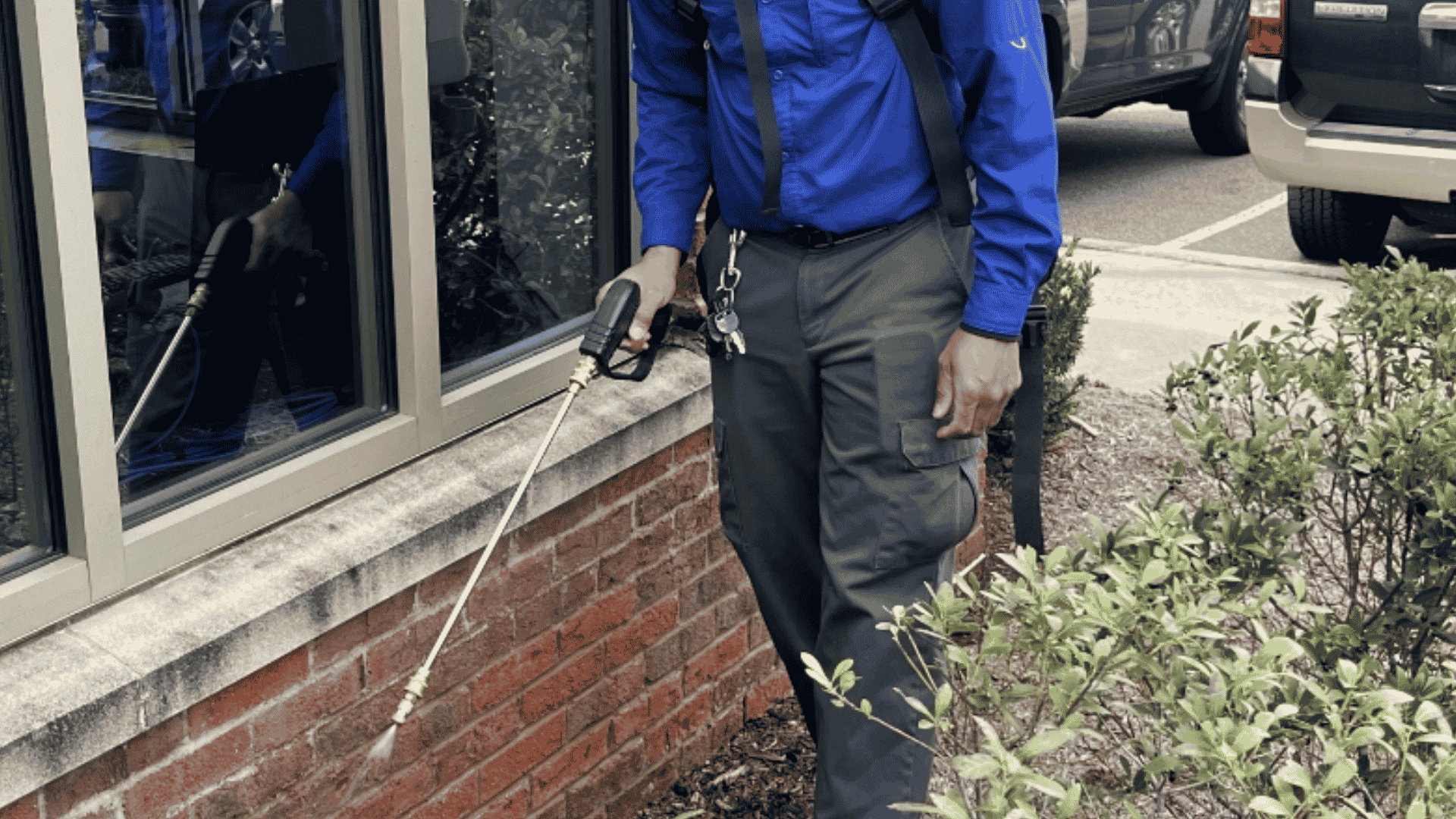
Ready Pest Solutions provides professional ant control in Holly Springs, NC, clearing trails of ants out of homes and businesses across our hometown and the surrounding Wake County communities. Ants are the most common household pest we treat, and in our warm, humid climate they stay active for much of the year. The frustrating part is that the ants you see marching across the counter are only a fraction of the colony, which is why a can of store-bought spray so often fails to solve the problem. Lasting ant control comes from identifying the species, finding the nest, and treating the colony at its source.
With more than 30 years of experience and an Associate Certified Entomologist (ACE) credential, our owner Philip brings real entomological expertise to ant work, which matters more than most homeowners realize. You can learn more about our approach on our home pest control page.
Ant Pressure in Holly Springs
Holly Springs has grown quickly, and its blend of wooded lots, greenways, and new construction gives ants a steady foothold. Homes bordering natural areas like Bass Lake, Sugg Farm, and the town's greenway network sit close to the mulch, leaf litter, and moist soil where many ant species nest. New subdivisions add their own pressure: freshly graded soil, new landscaping, and settling foundations create ideal conditions for ants to establish and find their way indoors.
Moisture is a recurring theme. Ants are drawn to damp soil, leaky spots, and the humidity common to our area, and clay-heavy soil that holds water near foundations only encourages them. Combine that with the food available in any kitchen, and it is easy to see why ants are such a persistent visitor throughout Holly Springs.
Common Ant Species in Holly Springs Homes
Different ants call for different treatment, which is why identification matters. According to NC State Extension, several species regularly invade North Carolina homes, and the ones we see most often locally include:
- Odorous house ants: small and dark, they give off a distinctive coconut-like smell when crushed and form long trails to food. They build multiple interconnected nests, which makes them hard to eliminate with DIY methods.
- Argentine ants: they form very large, multi-nest colonies and push indoors during weather extremes, following trails along counters and baseboards.
- Pavement ants: often found nesting under driveways, sidewalks, and slabs, entering through cracks and utility openings.
- Fire ants: builders of the painful-stinging mounds common in sunny Wake County yards, more of an outdoor threat but an important one.
- Carpenter ants: the largest local ants, they nest in damp or damaged wood and can cause structural concern over time.
- Acrobat ants: usually found near moisture, they raise their abdomen over their body when disturbed.
Why Ants Get Into Your Home
Ants come inside for the same reasons most pests do: food, water, and shelter. A few crumbs, a sticky spill, pet food, or a leaky pipe can be enough to start a trail, and once scouts find a reliable source, the colony follows. Cracks around windows and doors, gaps where utilities enter, and mulch or vegetation touching the foundation all give ants an easy path indoors.
This is also why spraying the ants you see rarely works. Killing foragers does nothing to the nest, and with multi-nest species like odorous house and Argentine ants, an over-the-counter spray can actually cause the colony to split and scatter, a process called budding, leaving you with more nests than you started with.
Our Ant Control Approach
Our process is built around the colony, not just the trail. It includes:
- A thorough inspection to identify the species, locate nests and trails, and find the entry points and moisture conditions drawing ants in
- Targeted treatment using professional products, including non-repellent applications and baits that workers carry back to eliminate the colony at its source
- An exterior perimeter treatment to stop ants before they reach the structure
- Interior spot treatment where needed, focused on trails and entry points rather than blanket spraying
- Recommendations to address the moisture, food access, and entry gaps that invited ants in the first place
For carpenter ants, which nest in wood and require nest-directed treatment, Philip's structural pest experience and ACE credential are a real advantage. And because fire ants are such a common outdoor problem here, fire ant control is included in our Ready Shield Advantage plan for year-round yard protection.
Why Holly Springs Homeowners Choose Ready Pest
Our root-cause approach means we find out why ants are present and treat the colony and the conditions sustaining it, rather than knocking down the visible trail and waiting for it to return. Because our team is assigned by geographic area, the same familiar technician gets to know your home and its recurring pressure points. And we never use pressure tactics: we explain what we found, recommend a plan, and let you decide. For more background on identifying and managing common ants, our ant control guide for Holly Springs homeowners is a helpful read.
Schedule Your Free Holly Springs Ant Inspection
Ants are easier to resolve when the whole colony is addressed, and a free inspection is the fastest way to identify what you are dealing with and how to stop it. Contact Ready Pest Solutions to schedule yours, and see everything we cover across our Holly Springs service area.
Frequently Asked Questions
What ants are most common in Holly Springs?
Odorous house ants and Argentine ants are the trail-forming nuisance ants we see most often indoors, while fire ants dominate sunny yards and carpenter ants turn up around damp or damaged wood. Correct identification guides the right treatment.
Why does store-bought ant spray not get rid of them?
Spraying kills the foragers you see but leaves the nest untouched. With multi-nest species, it can even cause the colony to split and spread. Effective control targets the colony at its source, usually with baits and non-repellent products.
Are carpenter ants dangerous to my home?
They can be. Carpenter ants nest in wood, often where moisture has softened it, and over time can weaken structural elements. They require nest-directed treatment rather than standard ant bait, which is where professional experience matters.
Are your ant treatments safe for children and pets?
Yes. We use EPA-registered products applied by trained, credentialed professionals according to label directions, and we place interior treatments thoughtfully. We are glad to explain what we are using before we begin.
How can I keep ants from coming back?
Clean up food and spills, store pantry items in sealed containers, fix moisture and leaks, and keep mulch and vegetation back from the foundation. Sealing entry gaps helps too, and our ongoing service keeps pressure down year-round.
End the Trail at Its Source
A line of ants across the counter is a symptom, and treating only the symptom is why the problem keeps coming back. Identify the species, treat the colony, and correct what drew them in, and the trail genuinely ends. Reach out to Ready Pest Solutions and we will handle it at the root.
As a Holly Springs company, we treat ants across our hometown and throughout neighboring Fuquay-Varina, Apex, Cary, and the surrounding 540 corridor.