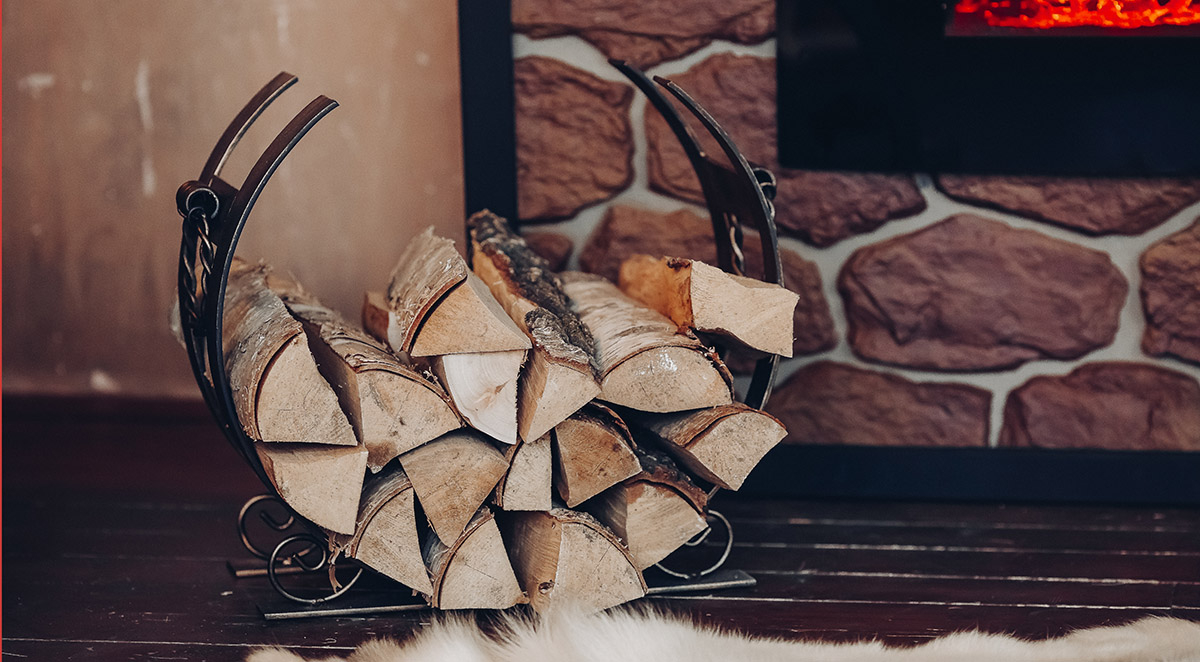
There's nothing cozier than a crackling fire on a cold Triangle evening, but the firewood that fuels it can carry some uninvited guests. If you've ever brought in an armload of logs and later spotted beetles, ants, or spiders wandering across the floor, you've met the bugs in firewood firsthand. Wood piles are a favorite shelter for all sorts of insects, and the warmth of your home wakes them right up. The good news is that a few simple habits keep those hitchhikers where they belong: outside.
Firewood pests are one of the most common winter surprises we hear about. Let's walk through which bugs tend to ride in on your wood, whether they're a real threat, and how to keep them out of your living room.
Quick Summary
- Firewood commonly harbors insects, either living inside the wood or sheltering in the pile.
- Common hitchhikers include wood-boring beetles, carpenter ants, spiders, and occasionally termites.
- Most firewood pests are harmless nuisances and won't damage the finished wood in your home.
- Insects warm up and become active a day or two after wood is brought indoors.
- Smart storage, off the ground and away from the house, is your best prevention.
- Never spray firewood with insecticide, since it doesn't work well and creates fumes when burned.
Why Firewood Is Full of Bugs
Firewood spends its life outdoors, often for months or years, which gives insects plenty of time to move in. There are really two categories of firewood pests, and the distinction matters. Some insects live inside the wood itself, feeding on it or tunneling through it, while others simply use the pile as a convenient place to shelter and overwinter.
Either way, the logs sitting in your woodpile are a busy little ecosystem. Bark provides cover, the wood holds moisture, and the gaps between logs make perfect hiding spots. When you carry that wood inside, you're bringing the whole community along with it, and the warmth of your home signals to those cold, dormant insects that it's time to wake up and get moving.
The Usual Hitchhikers
A wide range of insects can turn up in firewood, but a few show up far more often than others. Knowing what you're looking at takes a lot of the worry out of a sighting.
Wood-Boring Beetles
Wood-boring beetles are among the most common firewood pests. This group includes long-horned beetles, powderpost beetles, bark beetles, and metallic wood-boring beetles, and their larvae develop inside the wood before emerging as adults. You might notice small exit holes or a fine, flour-like dust that signals their activity. When they emerge indoors, they're a nuisance, but they won't attack the seasoned, finished wood in your home.
Carpenter Ants
Carpenter ants are frequent firewood residents, especially in wood that's damp or has been sitting on the ground. Unlike termites, they don't eat wood, but they do tunnel through it to build their nests. They're mostly nuisance pests when they hitchhike inside, though they're worth watching, since an established carpenter ant colony near your home can be a sign of a larger issue.
Termites
Termites can be present in firewood too, particularly in damp logs stacked directly on soil. Termite-infested firewood is usually wet and of poor quality for burning anyway, so the best move is simply not to bring it inside. Termites in a woodpile don't automatically mean your home is at risk, but they're a good reminder to keep wood away from the house and off the ground.
Spiders and Other Shelter-Seekers
Beyond the wood-dwellers, plenty of insects just use the pile for shelter. Spiders, sowbugs, pillbugs, millipedes, centipedes, earwigs, and the occasional wood roach all tuck into firewood to escape the cold. These are the classic hitchhikers, and while they can be startling, they're generally harmless and tend to wander toward windows once they warm up, trying to get back outside.
Do Firewood Pests Threaten Your Home?
Here's the reassuring part: most firewood pests pose little to no threat to your home, your belongings, or your family. According to Iowa State University Extension, the beetles that emerge from firewood won't harm the dried, finished wood in your house, and most hitchhikers are simply an annoyance that resolves once they're removed or make their way back outside.
The insects to keep an eye on are the ones associated with structural pests, namely carpenter ants and termites. Finding them in your firewood doesn't mean your home is infested, but it's a signal worth heeding, especially if the woodpile sits close to the house. If you're regularly seeing carpenter ants or termite activity in or near stacked wood, it's worth having a professional take a look. Our guides on ant control and whether termites are still active around here are useful starting points.
How to Store Firewood to Keep Pests Out
The most effective way to avoid firewood pests is to store your wood well, and it starts outside. A few storage habits dramatically reduce the number of insects you bring indoors:
- Keep it off the ground: stack wood on a rack or raised platform to aid drying and make it harder for insects to crawl in.
- Store it away from the house: keep the pile well away from exterior walls, ideally 20 feet or more, so pests in the wood aren't a short trip from your home.
- Cover the top, not the sides: a cover over the top sheds rain while letting the sides breathe and dry, since damp wood attracts the most pests.
- Keep it dry: dry, seasoned wood is far less appealing to moisture-loving insects than wet logs.
Good storage does double duty. It keeps your firewood in better burning condition while cutting down on the hitchhikers that would otherwise come inside.
Bringing Wood Inside the Right Way
Even with good storage, the way you move wood indoors makes a difference. The key principle is simple: bring in only what you'll burn soon. The longer firewood sits inside, the more time its residents have to warm up and emerge into your living space.
Follow a few easy habits when it's time to restock the fire:
- Bring in only a day or two's worth of wood at a time, rather than a large indoor stack.
- Inspect logs and knock them together outdoors to dislodge any obvious insects before carrying them in.
- Burn the oldest wood first so nothing sits indoors longer than necessary.
- Keep indoor wood on a rack or in a container rather than piled on the floor.
These small steps mean that any hitchhikers you do miss have little time to become a problem indoors.
Why You Shouldn't Spray Firewood
It's tempting to reach for insecticide when you find bugs in your wood, but this is one case where spraying does more harm than good. Extension experts strongly advise against it, and for good reason. Most insecticides won't penetrate deep enough into the wood to reach the insects inside, so the treatment is largely ineffective anyway.
More importantly, treated firewood becomes a hazard when burned. The chemicals can vaporize as the wood burns and release harmful fumes into your home. The safest response to a bug you find indoors is simply to sweep or vacuum it up and return it outside, no chemicals required.
When Firewood Pests Signal a Bigger Problem
For the most part, firewood hitchhikers are a manageable nuisance you can handle with good habits. But there are moments when they point to something worth a closer look. If you're consistently finding carpenter ants or termites in wood stored near your home, or noticing them indoors well away from the fireplace, the woodpile may be feeding a larger pest issue on your property.
That's when it makes sense to bring in a professional. A thorough inspection can determine whether structural pests are just passing through on firewood or have found their way toward your home. Our home pest control services cover exactly this kind of assessment, and if you have concerns, you can always contact Ready Pest Solutions for peace of mind.
Frequently Asked Questions
Are bugs in firewood dangerous?
Most aren't. The vast majority of firewood pests are harmless nuisances that won't damage your home or harm your family. The exceptions worth watching are structural pests like carpenter ants and termites, which are worth investigating if you see them regularly.
Will firewood beetles damage the wood in my house?
No. The wood-boring beetles found in firewood develop in unseasoned wood and won't attack the dried, finished lumber in your home. They're a nuisance when they emerge indoors, but they don't pose a structural threat.
Should I spray my firewood with insecticide?
No. Insecticides don't penetrate deep enough to reach insects inside the wood, and burning treated firewood can release harmful fumes into your home. The best approach is proper storage and simply removing any bugs you find inside.
How can I keep bugs out of my firewood?
Store wood off the ground and well away from the house, keep it dry with a top cover, and bring in only a day or two's worth at a time. Inspecting and knocking logs together before carrying them inside helps too.
Enjoy the Fire, Skip the Hitchhikers
A warm fire is one of winter's simple pleasures, and a few smart habits let you enjoy it without the parade of bugs. By storing firewood properly, bringing in only what you need, and skipping the insecticide, you can keep the vast majority of hitchhikers outside where they belong. And if firewood pests ever hint at a bigger problem near your home, Ready Pest Solutions is here to take a closer look and keep your home protected all winter.