Blog

When temperatures drop and many household pests go quiet, it's natural to wonder whether cockroaches go away in the winter too. The short answer is no, at least not the ones that matter most in our homes. The German cockroach lives its entire life indoors, so the heated comfort of your home keeps it active, breeding, and spreading right through the coldest months. If you've spotted one skittering across the kitchen at night, don't assume the cold will take care of it, because it won't.
German cockroaches are the most common indoor roach in North Carolina homes, and winter can actually be their prime season. Here's what the cold really means for them, how to recognize them, why they're so persistent, and what it takes to get rid of them for good.
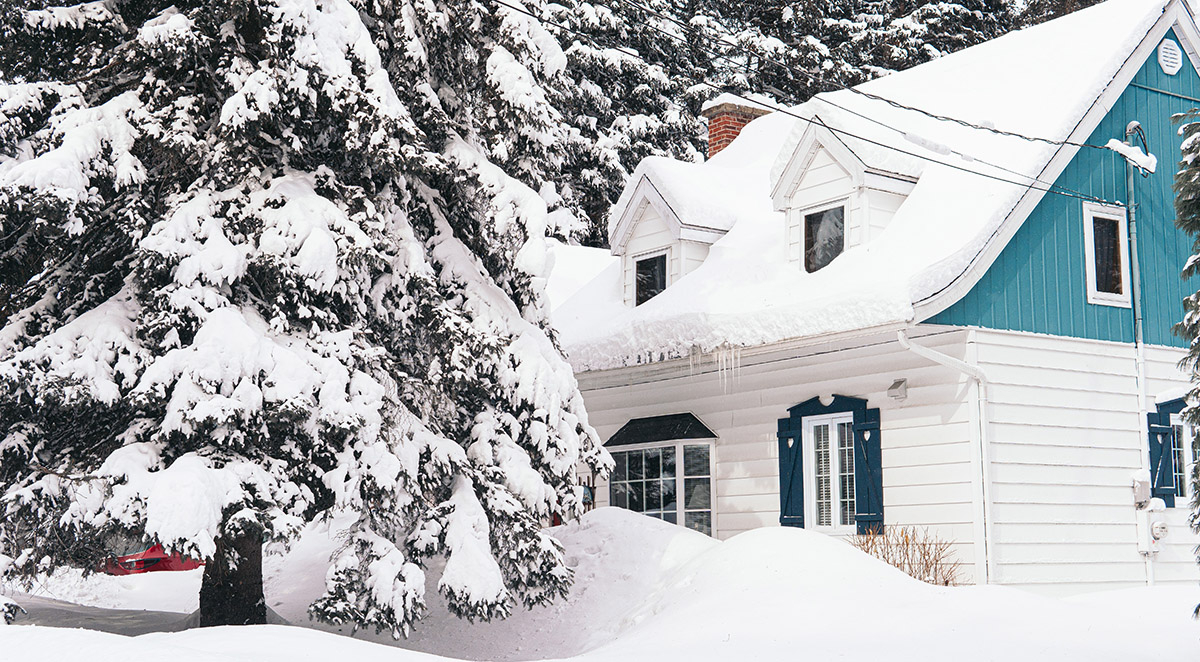
As the first real cold snap settles over the Triangle, something predictable happens inside our homes: the mice move in. If you've found yourself wondering why there are mice in your house in winter when the warmer months were quiet, you're seeing one of the most reliable patterns in pest control. Rodents don't hibernate, and when the temperature drops, your warm, well-stocked home becomes the most appealing place around. Understanding why this happens is the first step to keeping it from happening to you.
Winter is peak season for rodent calls across North Carolina, and it's no coincidence. Let's look at what drives mice and rats indoors this time of year, what makes them such a serious problem, and how to keep them out.
Most of us don't think about pest control until we spot something scurrying across the kitchen floor. By then, though, that single bug is usually a sign of a much larger population you can't see. It's a pattern we run into constantly: homeowners wondering whether ongoing service is worth it, right up until a small problem becomes a big one. So is quarterly pest control worth it, or is calling only when you see a bug good enough? Let's dig into why year-round protection almost always comes out ahead.
The reactive approach feels cheaper and simpler, but it tends to cost more in the long run, in money, stress, and comfort. Here's how the two approaches really compare.
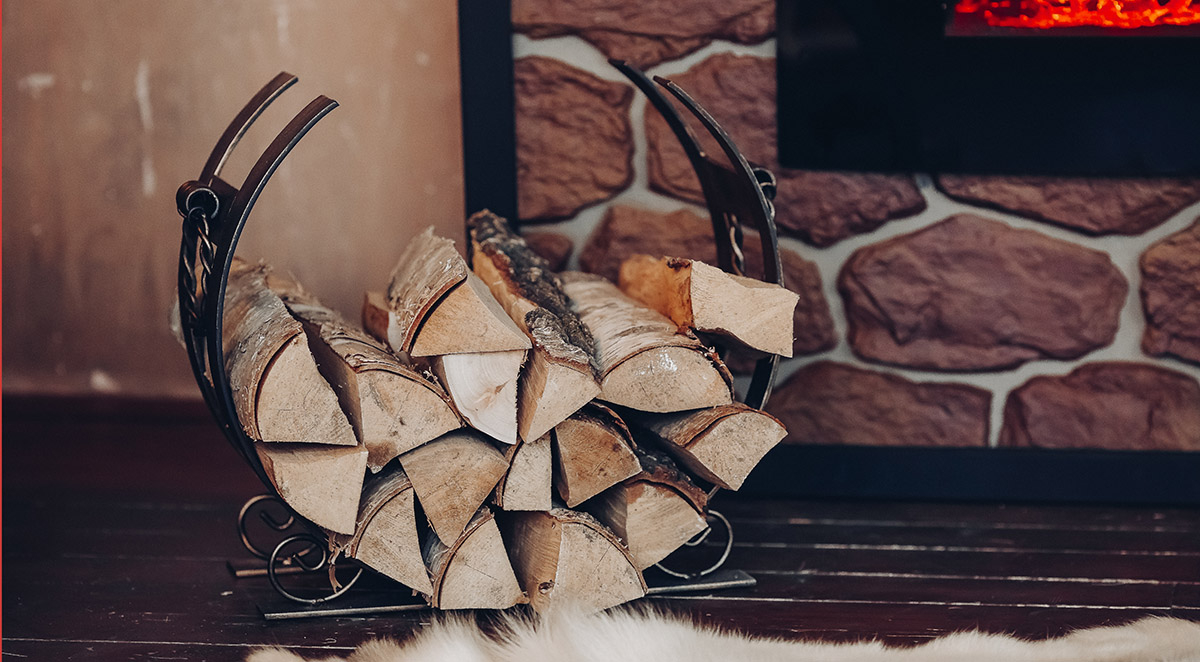
There's nothing cozier than a crackling fire on a cold Triangle evening, but the firewood that fuels it can carry some uninvited guests. If you've ever brought in an armload of logs and later spotted beetles, ants, or spiders wandering across the floor, you've met the bugs in firewood firsthand. Wood piles are a favorite shelter for all sorts of insects, and the warmth of your home wakes them right up. The good news is that a few simple habits keep those hitchhikers where they belong: outside.
Firewood pests are one of the most common winter surprises we hear about. Let's walk through which bugs tend to ride in on your wood, whether they're a real threat, and how to keep them out of your living room.