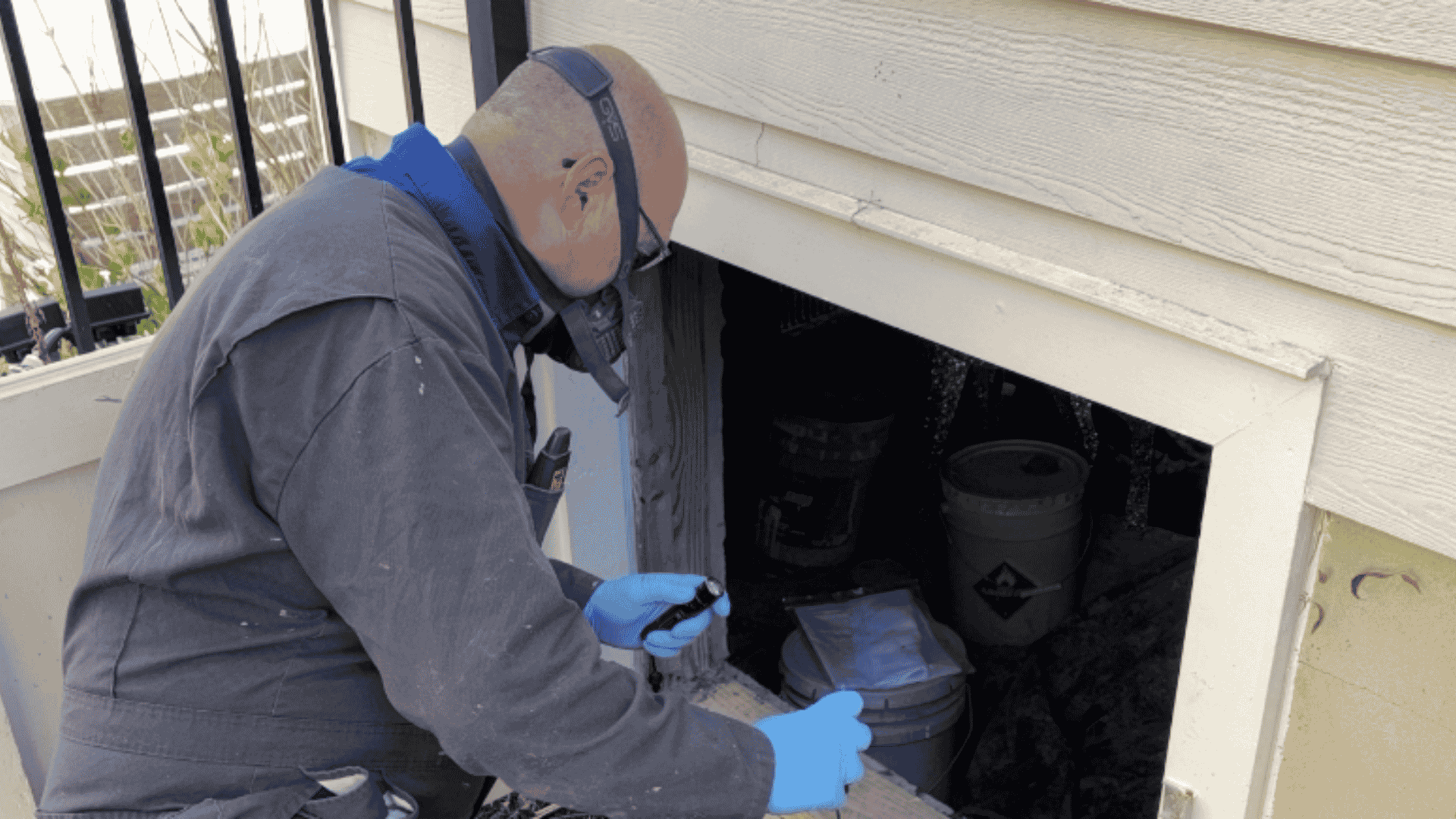
Few pests are as unwelcome as a cockroach scurrying across the kitchen floor when you flip on the light, and it happens more often as the weather cools. If you have wondered why do roaches come in the house just as fall arrives, the answer comes down to the same things every pest wants: warmth, moisture, food, and shelter. As those grow scarce outdoors, your home starts to look like the best option around. Understanding which roaches you are dealing with, and why they turn up when they do, is the first step to keeping them out.
Quick Summary
- Cooling fall weather pushes outdoor cockroaches, like smoky brown and American roaches, indoors in search of warmth and moisture.
- German cockroaches are different: they live indoors year-round and usually arrive by hitchhiking in bags, boxes, and used items, not with the seasons.
- A roach problem is not a verdict on your housekeeping. Roaches follow moisture and shelter, and even clean homes get them.
- Cockroaches are a genuine health concern. The EPA and NC State Extension link their allergens to asthma, especially in children.
- Sanitation, moisture control, and sealing entry points keep them out. German infestations in particular call for professional treatment.
Meet the Roaches Behind the Problem
Not every cockroach behaves the same way, and the right response depends on the species. In our area, three turn up most often:
- Smoky brown cockroaches: these are the large roaches many people call "palmetto bugs" or "water bugs." As NC State University notes, palmetto bugs and smoky browns are the same insect. They live outdoors, in mulch, woodpiles, and tree holes, and move inside when conditions push them there.
- American cockroaches: also large, they favor damp, dark places like drains, sewers, crawlspaces, and basements, and wander indoors from those areas.
- German cockroaches: small, rarely more than half an inch, and unable to fly. They are the most common indoor cockroach in the country and, unlike the others, live and breed inside year-round.
Why Fall Sends Them Indoors
For the outdoor species, fall is a turning point. As temperatures drop and the moisture and food they rely on outdoors dwindle, smoky brown and American cockroaches seek the warm, humid, sheltered conditions your home provides. A heated house with a damp crawlspace, a leaky pipe, or an accessible kitchen is exactly what they are after, so sightings of these larger roaches often climb in autumn.
German cockroaches are the exception worth understanding. They do not migrate indoors with the seasons because they are already inside. According to NC State University, German roaches cannot fly and are typically introduced by people, catching a ride in groceries, cardboard boxes, secondhand appliances, and similar items. Once in, they breed continuously. So while fall drives the outdoor roaches to your door, a German cockroach problem usually traces back to something that was carried in.
How Roaches Get Inside
However they arrive, cockroaches exploit the same openings other pests use. Cracks in the foundation and around windows and doors, gaps where utility lines enter, and unscreened vents and drains all offer a way in. Damp, dark, and cluttered areas near food give them somewhere to settle once inside. And with German roaches especially, the "entry point" is often a bag or box brought through the front door, which is why inspecting secondhand items and unpacking groceries promptly matters.
Signs You Have a Cockroach Problem
Because roaches are nocturnal and secretive, you often find the evidence before you see the insect. Watch for these signs:
- Fecal spots, which look like clusters of tiny dark specks in cabinets, drawers, and along the edges of counters near food. NC State Extension notes these can indicate the size of a German cockroach population.
- Egg cases, small brown capsules tucked into cracks and hidden corners.
- Shed skins, since roaches molt as they grow, leaving translucent casings behind.
- A musty, unpleasant odor in areas with heavy activity.
- Daytime sightings, which often signal a larger population, as crowding pushes some roaches into the open.
Spotting these early makes control faster and easier, which matters given how quickly roaches multiply.
Why Cockroaches Are More Than a Nuisance
A roach sighting is unsettling, but the real concern is health. Cockroach feces, saliva, shed skins, and body parts contain proteins that are potent allergens. The U.S. Environmental Protection Agency identifies these allergens as a documented trigger for asthma attacks, and notes that roaches can carry bacteria capable of causing illnesses like salmonella if they contaminate food. NC State Extension is even more pointed about German cockroaches, describing them as one of the leading causes of asthma in young children because they continuously deposit allergens into the home if left unmanaged.
That health dimension is why a cockroach problem is worth taking seriously and addressing early, rather than waiting to see how bad it gets.
How to Keep Cockroaches Out This Fall
Prevention comes down to removing what draws roaches in and closing the routes they use. A practical fall checklist:
- Keep the kitchen clean. Wipe up crumbs and spills, do not leave dishes or pet food out overnight, and store food in sealed containers.
- Take out the trash regularly and use bins with tight lids.
- Reduce moisture. Fix leaks, drips, and damp spots, since roaches are strongly drawn to water. Persistent crawlspace or drainage moisture is worth correcting.
- Seal entry points. Caulk cracks around windows, doors, and utility penetrations, and screen vents and drains.
- Declutter. Cardboard, paper, and undisturbed storage give roaches harborage, so clear it where you can.
- Inspect what comes in. Check grocery bags, cardboard boxes, and especially secondhand appliances and furniture before bringing them inside.
Why German Roaches Need a Different Response
If you are dealing with the small indoor roaches that breed year-round, know that they are built to multiply fast. The EPA notes a German cockroach female produces several egg capsules in her lifetime, each holding roughly 40 eggs, so a handful of roaches can become an infestation within weeks. They are also nocturnal and shy, hiding in cracks and behind appliances by day, which makes them easy to underestimate.
This is where do-it-yourself sprays often backfire. Over-the-counter repellent products can scatter a German cockroach population, driving them deeper into wall voids rather than eliminating them. Effective control uses targeted bait-based and non-repellent products that roaches carry back to their harborage, wiping out the population at its source. For the larger outdoor species, treatment focuses on the exterior perimeter, entry points, and the moisture conditions drawing them in.
When to Call a Professional
A few outdoor roaches wandering in during a cold snap may be manageable with prevention, but a recurring problem, and any German cockroach activity, calls for professional help. Roaches are resilient and reproduce quickly, so the sooner the population is addressed, the easier it is to resolve. A local team can identify the species, locate the harborage, and treat accordingly. You can see our approach on our home pest control page, and for a deeper walkthrough, our comprehensive cockroach guide for Holly Springs homeowners is a helpful next read.
Frequently Asked Questions
Are palmetto bugs really cockroaches?
Yes. As NC State University confirms, "palmetto bugs" and "water bugs" are common names for the smoky brown cockroach. They are outdoor roaches that move inside when conditions push them there, particularly as the weather cools.
Does having cockroaches mean my house is dirty?
No. Roaches are drawn to warmth, moisture, food, and shelter, and they enter through structural gaps or hitch a ride on items brought inside. Clean homes get cockroaches too. Good sanitation helps, but it is not the whole story.
Are cockroaches actually dangerous to my health?
They can be. The EPA and NC State Extension link cockroach allergens to asthma and allergic reactions, especially in children, and roaches can spread bacteria that contaminate food. That is the main reason to address an infestation promptly.
Why do I only see cockroaches at night?
Most cockroaches, German roaches especially, are nocturnal and shy, hiding in cracks and behind appliances during the day. Seeing them in daylight can indicate a larger population, since crowding pushes some into the open.
Can I get rid of cockroaches myself?
Prevention steps go a long way, and a few outdoor stragglers may be manageable. But German cockroaches breed quickly and hide well, and DIY sprays can scatter them. Professional bait-based treatment is usually the faster, more reliable path to real elimination.
Do cockroaches come up through drains?
They can. American and smoky brown cockroaches are drawn to the moisture in drains, sewers, and damp crawlspaces, and they can travel through plumbing and floor drains into a home. Keeping drains covered, fixing leaks, and reducing moisture all help close off that route.
Get Ahead of the Fall Rush
Cockroaches head indoors in fall for the same reasons we turn up the heat, and once they find warmth, moisture, and a meal, they are inclined to stay. Clean, dry, and sealed is the combination that keeps them out, and early action is what keeps a stray sighting from becoming a health concern for your family. If roaches are already making themselves at home, let Ready Pest Solutions know and we will identify what you are dealing with and put a stop to it.