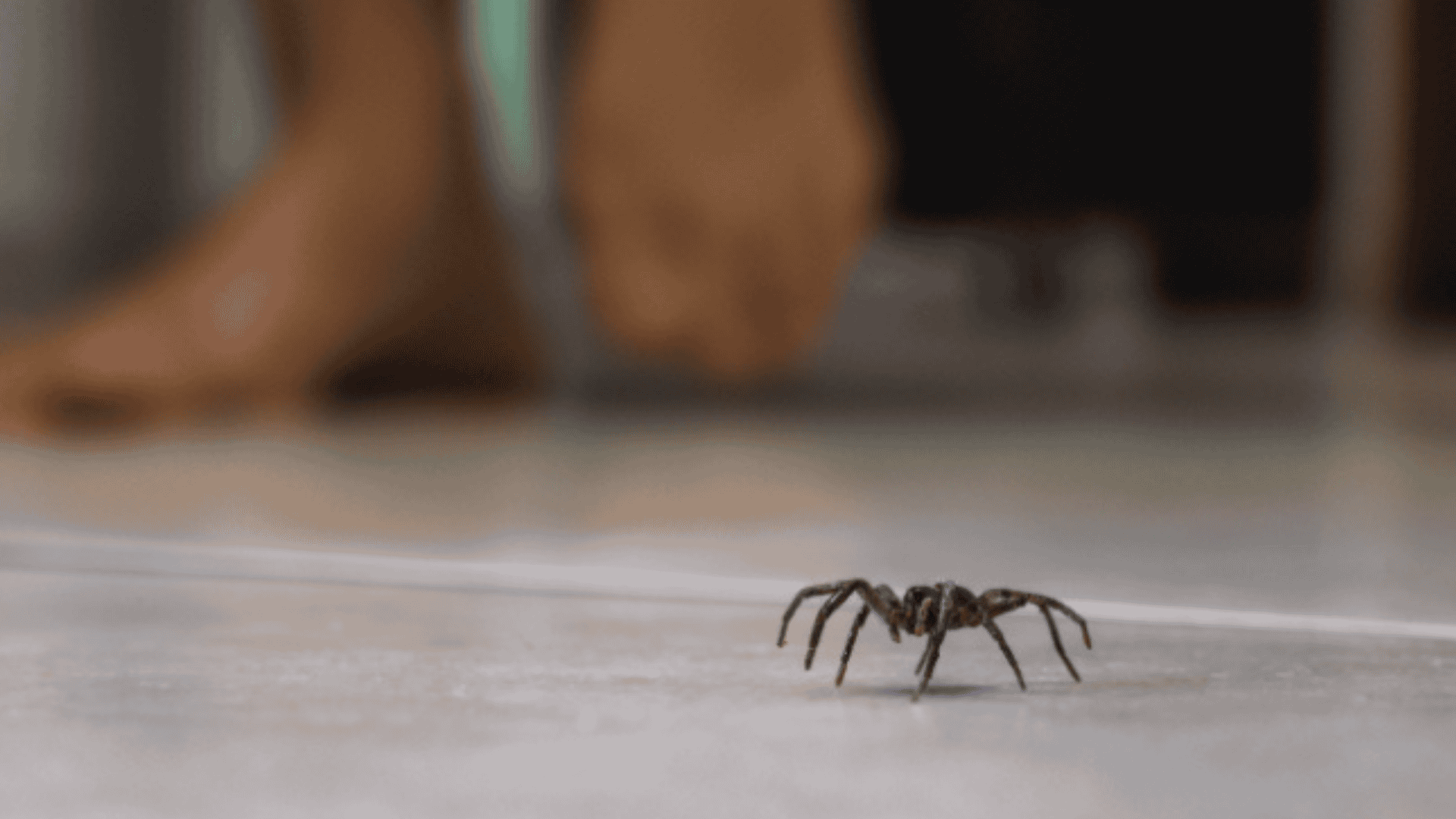
As summer fades into fall, a lot of homeowners notice the same thing: more spiders showing up indoors, in corners of the ceiling, along baseboards, and occasionally darting across the floor. It can feel like the house is suddenly under invasion, and the common explanation is that spiders are coming inside to escape the cold.
That explanation is mostly a myth, and the real story is both more interesting and a lot less alarming. Understanding what is actually happening makes the seasonal uptick far less unsettling, and it points to the simple steps that keep spiders out. Here in Wake County, the change usually becomes noticeable from late summer into early fall.
Quick Summary
- Most house spiders live indoors year-round, so they are not suddenly invading from outside as it cools.
- The autumn increase in sightings is mainly mature males roaming in search of mates, not spiders fleeing the cold.
- Some spiders also follow their insect prey indoors, so an insect problem can become a spider problem.
- The vast majority of house spiders are harmless and even helpful, since they eat other pests.
- Sealing gaps, managing exterior lighting, reducing clutter, and controlling insects are the most effective ways to keep numbers down.
The Truth About "Fall Spiders"
The image of spiders streaming indoors to escape autumn temperatures is widespread, but it does not match how house spiders actually live. The spiders you see most often in homes are species that spend their entire lives indoors, in basements, garages, attics, and quiet corners. They were already there through the summer, simply staying out of sight.
So why the sudden visibility? For most of these species, late summer and early fall is mating season. Males that have matured leave their usual hiding spots and wander in search of females, which is why you suddenly see spiders out in the open and on the move. You are not seeing new arrivals so much as residents that have started traveling.
There is a grain of truth buried in the myth, but it is about insects more than spiders, which we will get to next.
Why You're Seeing More Spiders as Summer Ends
1. Males Traveling for Mating Season
The main driver is that roaming males are out and about, crossing floors and walls where you actually notice them rather than tucked away in a corner. A single web in the garage might go unseen for months, but a male spider walking across the living room at night does not.
2. Food: Spiders Follow Insects (Which Are Heading Towards Warmth)
The second factor is food. As the weather cools, many insects move toward the warmth and shelter of homes, and spiders are predators that go where the prey is. If gnats, flies, or other small insects are finding their way inside, spiders will follow that food supply indoors. In that sense, a spider increase is often a signal about your insect situation.
It also helps to know that this is a short, predictable window rather than a permanent change. Shortening days and cooling nights are the cues that push males to mature and start searching, so the wandering tends to concentrate over a few weeks. Once mating season passes, the roaming drops off, even though the resident females remain quietly in their webs as they always have. Recognizing the pattern is reassuring: the spiders are not multiplying out of control, they are simply more visible for a stretch.
Common House Spiders in Wake County Homes
The spiders you are most likely to meet indoors are the ordinary, harmless residents of North Carolina homes. The common house spider builds tangled webs in corners and ceilings, while cellar spiders, the long-legged spiders often called daddy long-legs, hang in loose webs in basements and garages. Wolf spiders are larger ground hunters that do not build webs and sometimes wander inside, looking more intimidating than they are.
Out around the eaves and porches, orb weavers spin the large, beautiful circular webs that appear overnight in fall, and they almost never come indoors. Of the spiders in our region, only two are of real medical concern: the black widow, which prefers undisturbed spots like woodpiles, sheds, and crawlspaces, and the brown recluse, which is uncommon in North Carolina rather than a typical household resident. For a closer look at identification and the genuinely dangerous species, see our guide on how to identify and get rid of dangerous spiders.
Are House Spiders Dangerous?
For the most part, no. The common spiders found inside homes are not aggressive, and the vast majority cannot deliver a medically significant bite. Most so-called spider bites turn out to be other skin irritations entirely, since spiders bite people only rarely and usually when trapped against skin.
It is also worth remembering that spiders earn their keep. As predators, they quietly eat flies, mosquitoes, and other nuisance insects, which makes a few resident spiders a sign of a working backyard ecosystem rather than a problem. The two species of concern deserve respect and caution, but the typical house spider is far more helpful than harmful.
How to Keep Spiders Out
If you would rather not share your space, the good news is that prevention is straightforward and lasting. The aim is to block entry, make the home less attractive, and reduce the insect prey that draws spiders in. A few measures cover most of it:
- Seal cracks and gaps around the foundation, siding, windows, and utility lines.
- Add or repair door sweeps and window screens to close common entry points.
- Reduce or redirect exterior lighting, which attracts the insects that spiders feed on.
- Declutter storage areas, closets, and garages to remove sheltered hiding spots.
- Knock down webs as they appear, indoors and around entryways, to discourage spiders from settling.
Because spiders follow their food, controlling the insects around your home is one of the most effective long-term steps you can take.
It is worth thinking of these measures as layers rather than a single fix. Sealing and screens block the physical routes inside, lighting and insect control remove the reason spiders come in the first place, and decluttering takes away the quiet, undisturbed spots where they prefer to settle and build. No single step eliminates spiders entirely, but together they make a home noticeably less hospitable, and the effect builds over time as fewer spiders find a reason to stay.
When to Call a Professional and How We Help
A handful of harmless spiders is usually nothing to worry about, but there are times to bring in help. Some of those include:
- Persistent indoor activity
- Signs of a black widow in a garage or crawlspace
- A spider problem that clearly traces back to an insect infestation
These are all worth a professional look. The most effective control addresses the root cause, which is often the insect prey rather than the spiders themselves.
At Ready Pest Solutions, our approach starts with finding why the spiders are there. We treat the perimeter to reduce the insects spiders feed on, remove webs around the structure, and target harborage areas where spiders shelter. Because our team is led by an Associate Certified Entomologist, the species on your property is identified correctly and handled appropriately, which matters when one of the spiders of concern is involved. We explain what we find and recommend only what the situation calls for, with no pressure to add services you do not need. Ongoing spider and insect pressure is one of the things our home pest control program is built to manage.
Frequently Asked Questions
Why do I see so many spiders in the fall?
The increase is mostly mature male spiders leaving their hiding spots to search for mates in late summer and early fall. They are residents on the move rather than new spiders arriving from outdoors, which is why they suddenly seem to be everywhere.
Do spiders come inside because it's getting cold?
Generally no. Most house spiders already live indoors year-round and are not fleeing the cold. When outdoor spiders do venture in, it is usually because their insect prey has moved indoors, not because of temperature alone.
Are the spiders in my house dangerous?
The vast majority are harmless and even beneficial, eating other pests. Only the black widow and the brown recluse are of medical concern in our region, and the brown recluse is uncommon in North Carolina. When in doubt, avoid handling the spider and have it identified.
How do I keep spiders out of my home?
Seal cracks and gaps, add door sweeps and intact screens, reduce exterior lighting that attracts insects, declutter hiding spots, and clear webs as they appear. Controlling the insects spiders feed on is the most effective long-term measure.
Does pest control get rid of spiders?
Yes, especially when it targets the root cause. Reducing the insect prey, treating the perimeter, removing webs, and addressing harborage areas together bring spider numbers down and keep them from rebuilding.
A Calmer View of Fall Spiders
The seasonal wave of indoor spiders is less an invasion than a reminder that these quiet, mostly harmless residents have been with you all along, now out looking for mates and following their food. Seal them out, manage the insects they hunt, and keep an eye on the two species that warrant caution. If spiders are becoming a real nuisance as summer ends, contact Ready Pest Solutions and we will help you find the source and keep them in check.