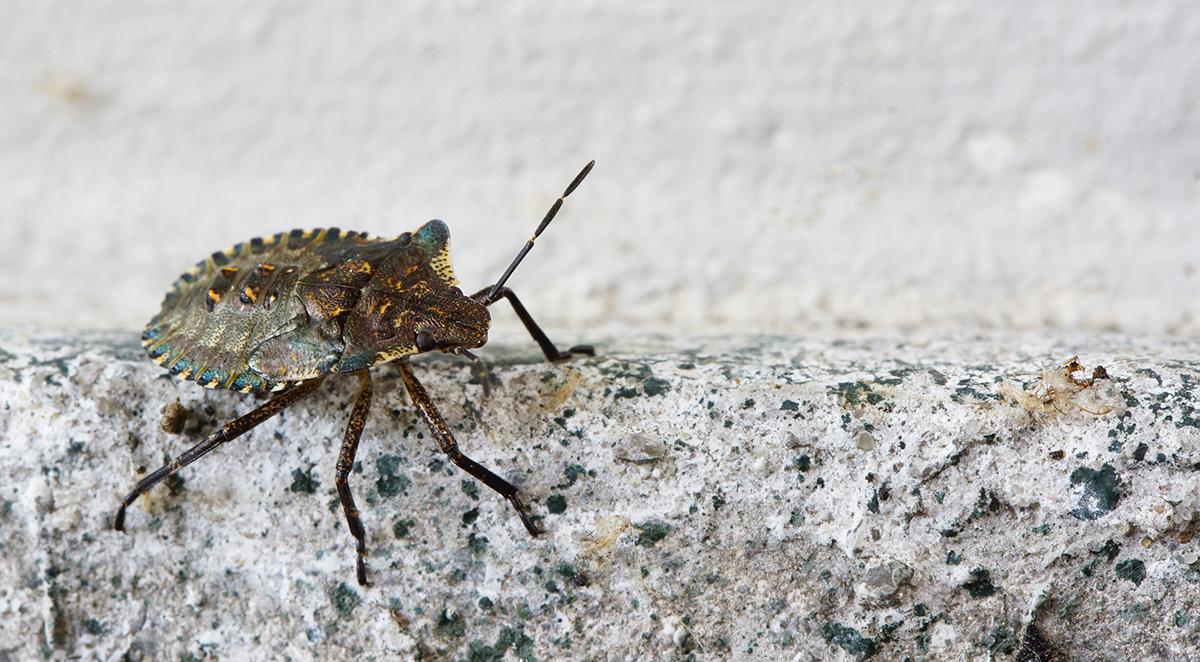
Every fall, as the days shorten and the nights cool, a familiar cast of insects starts gathering on the sunny sides of houses across Wake County, looking for a way inside. Brown marmorated stink bugs lead the pack, and homeowners who want to know how to get rid of stink bugs quickly discover that the real answer is to keep them out in the first place. These are the fall invaders: nuisance pests that do not damage your home or bite your family, but show up in frustrating numbers on warm autumn afternoons and settle in for the winter if you let them. A little preparation now, before they arrive, makes all the difference.
Quick Summary
- Fall invaders like stink bugs move indoors in autumn to overwinter, not to feed or breed inside.
- The brown marmorated stink bug is the most common culprit and, per NC State Extension, the only stink bug in North Carolina that seeks out buildings for shelter.
- Spraying the outside of your home rarely works against these pests. Sealing them out is the effective strategy.
- Do not crush stink bugs indoors. Remove them physically to avoid the odor and stains.
- The best time to seal up is late summer through early fall, before the invaders begin moving in.
Meet the Fall Invaders
Several insects share the same autumn habit of moving into homes to wait out winter. Knowing who you are dealing with helps you respond:
- Brown marmorated stink bug: the shield-shaped, mottled-brown bug with white bands on its antennae, roughly half to three-quarters of an inch long. It is the fall invader most Wake County homeowners notice.
- Asian lady beetles: they look like ladybugs but cluster on and inside homes in fall and can leave a yellow stain when disturbed.
- Boxelder bugs: black with reddish-orange markings, often seen massing on warm, sunny walls.
- Cluster flies: slower and larger than house flies, they gather in attics and wall voids to overwinter.
What these pests have in common is more important than their differences: they are looking for a warm, protected place to spend the winter, and they enter through the same kinds of gaps.
Why Stink Bugs Come Inside in Fall
The brown marmorated stink bug is native to Asia and was accidentally introduced to the United States in the 1990s, reaching North Carolina by around 2009. Because it has few natural predators here, it has become both an agricultural pest and a serious household nuisance. According to NC State Extension, it is the only stink bug species in North Carolina that seeks out human-made structures as overwintering sites, gathering in attics, garages, wall voids, and other dark, confined spaces.
The timing is predictable. NC State Extension notes that in September and October, adult stink bugs disperse to overwintering sites and are often seen on the sunny, south- and west-facing sides of buildings on warm days. That is the window when homeowners see the biggest invasions, and it is precisely when a well-sealed home pays off. You can read more on NC State's brown marmorated stink bug in North Carolina page.
What Makes a Home Attractive to Fall Invaders
Not every house draws the same crowd of overwintering bugs, and understanding why yours might be a target helps you focus your prevention. A few factors stand out:
- Sun exposure: fall invaders are drawn to warmth, and they gather heaviest on the south- and west-facing walls that soak up afternoon sun. Homes with large sunny exposures often see the biggest gatherings.
- Light-colored exteriors: NC State Extension notes that light-colored siding tends to attract certain fall invaders, such as kudzu bugs, as they search for landing spots.
- Proximity to fields and wooded areas: because these insects overwinter after a season in crops, gardens, and tree lines, homes bordering farmland, greenways, and wooded lots tend to see more of them.
- Existing gaps: older homes and those that have settled over time offer more of the cracks and openings invaders slip through, which is why exclusion pays off most on these houses.
You cannot change where your home sits or which way it faces, but you can control the gaps, and that is where prevention succeeds.
Why You Cannot Just Spray Them Away
It is tempting to reach for a can of insecticide and treat the outside walls where stink bugs congregate, but this approach disappoints most people. NC State Extension is direct on this point: surface sprays applied to building exteriors or around windows and doors are rarely effective against fall invaders. The bugs are present in large numbers, they keep arriving, and the treated surfaces lose their effect quickly.
There is a second problem with spraying, especially indoors. If insecticides kill stink bugs inside wall voids or attics, the accumulated dead insects can attract other pests such as carpet beetles. For fall invaders, exclusion is not just the better option, it is the one that actually works.
How to Get Rid of Stink Bugs Already Inside
If stink bugs have already made it indoors, physical removal is the way to go. The key rule is simple: do not crush them. Stink bugs earn their name by releasing a pungent odor when threatened or squashed, and that smell can linger and even stain surfaces. Instead:
- Pick them up with a tissue or a piece of cardboard and drop them into a container of soapy water.
- Use a vacuum for larger numbers, but be aware the odor can transfer to the vacuum. A dedicated shop vacuum, or a stocking placed inside the nozzle to catch bugs before they reach the bag, helps contain the smell.
- Empty and dispose of collected bugs promptly and outdoors.
One reassuring note: stink bugs and other fall invaders do not reproduce inside your home. They are simply waiting out the winter, and survivors will try to leave in spring. They do not bite, sting, or damage the structure. The problem they create is a nuisance one, though a significant one when the numbers are high.
How to Keep Fall Invaders Out: Seal Up Before They Move In
Since spraying falls short, sealing your home is the strategy that delivers. The goal is to close the small gaps these flat-bodied insects use to slip inside. Work through the exterior before the fall dispersal begins, ideally in late summer:
- Caulk cracks and gaps around windows, doors, and where different materials meet on the exterior walls.
- Seal openings where pipes, cables, and utility lines enter the home, a favorite route for insects and rodents alike.
- Repair or replace damaged window and door screens, and add screening behind attic, soffit, and exhaust vents.
- Install or replace worn weather stripping and door sweeps, including on the garage.
- Check the roofline, eaves, and chimney area for gaps, since stink bugs are strong fliers and often enter higher on the structure.
This same exclusion work pays off year-round, because the gaps that let in stink bugs also welcome mice, spiders, and other pests as the seasons change. It is one of the most valuable investments you can make in a pest-resistant home.
When to Call a Professional
Fall invaders are a manageable problem, but reaching every gap on a two-story home, or getting ahead of an invasion that returns year after year, is often more than a weekend project. A professional can perform a timed exterior treatment before the invaders arrive, identify and help seal the entry points, and fold fall-invader prevention into a broader pest program. A local team that understands Wake County's seasonal patterns will know when the window opens and where these bugs get in.
At Ready Pest Solutions, our root-cause approach means we look at why pests are getting in and address the conditions and openings that let them, rather than simply treating what is visible. You can learn more about our year-round residential protection on our home pest control page, or see the communities we serve across our Holly Springs service area.
Frequently Asked Questions
Do stink bugs bite or harm people and pets?
No. Brown marmorated stink bugs do not bite, sting, or transmit disease, and they are not harmful to pets. Their main offense is the odor they release when disturbed, along with the nuisance of large numbers indoors.
Why do stink bugs smell so bad?
They produce a defensive chemical from glands on their body when they feel threatened or are crushed. It is a survival mechanism to deter predators, which is exactly why you should remove them without squashing them.
Will stink bugs multiply inside my house?
No. Fall invaders come indoors only to overwinter, not to breed. They remain mostly inactive through the cold months and try to move back outside in spring, so you will not find them reproducing in your walls.
Are the same gaps letting in other pests too?
Very likely. The cracks and openings stink bugs use also admit mice, spiders, ladybugs, and other seasonal pests. Sealing them is one of the highest-value steps you can take for whole-home pest prevention.
When is the best time to seal up against fall invaders?
Late summer through early fall, before adults begin dispersing to overwintering sites in September and October. Sealing your home ahead of that window keeps the invasion from starting in the first place.
Get Ready Before They Do
Stink bugs and their fall-invader cousins are a predictable part of autumn in Wake County, but a home invasion is not inevitable. Because spraying rarely works, the winning move is to seal the gaps before the bugs start looking for a way in, and to remove any that slip through without crushing them. If you would rather have a professional handle the exterior and the entry points before the season turns, we are here to help. Contact Ready Pest Solutions to schedule an inspection and keep this year's fall invaders outside where they belong.