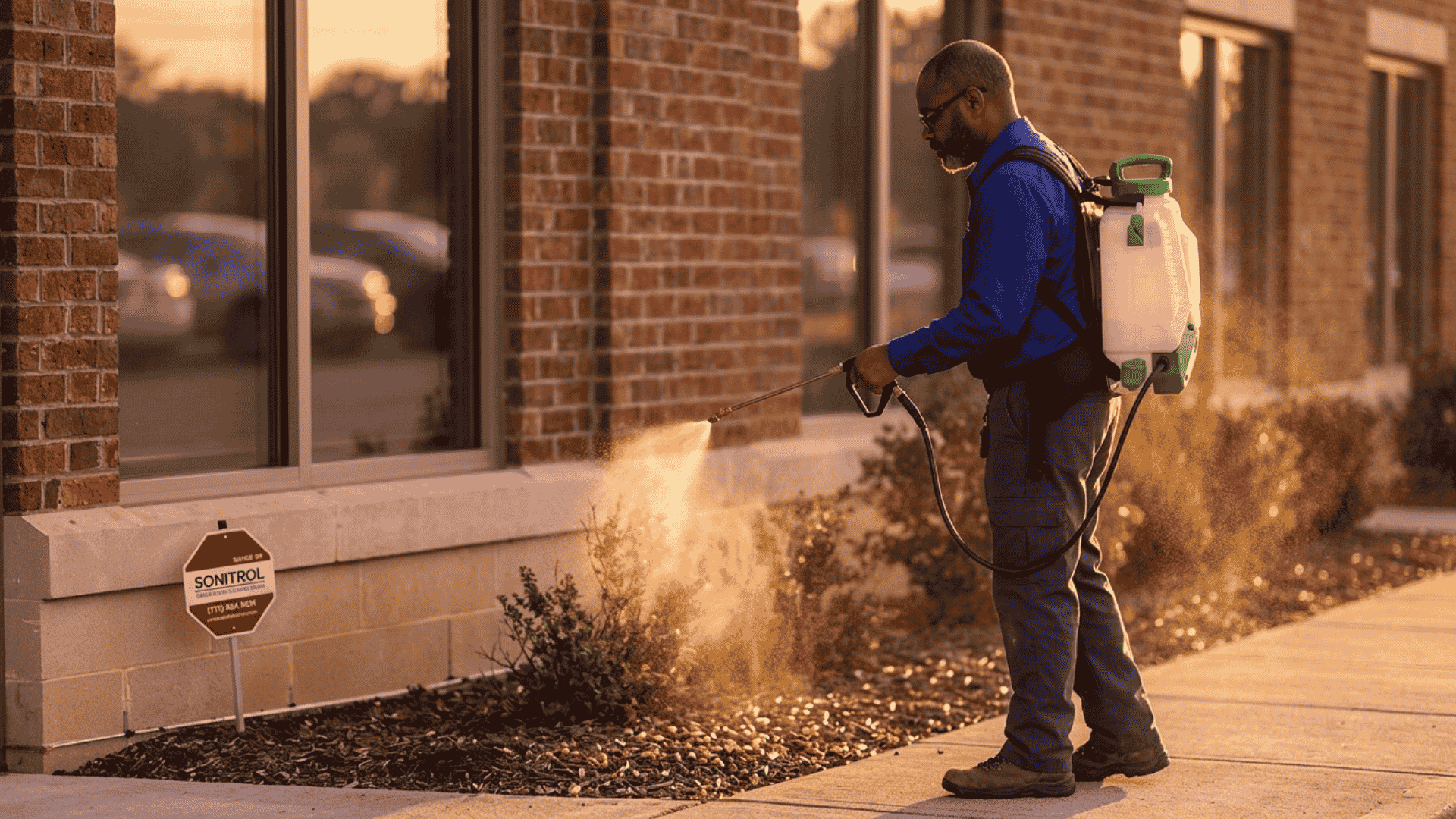
Search for pest prevention tips and you'll find plenty of advice: seal the cracks, store food tightly, keep mulch away from the house. That advice is good, and we'll share our own list below. But tips work best when they sit inside a plan, and in Wake County, where pests stay busy for most of the year, the plan matters as much as the habits. So what makes a pest prevention plan worth paying for, and how do you tell one plan from another?
This guide walks through how a prescribed, year-round plan actually runs, what a good one should include, and the questions to ask before you sign up with anyone. We'll also explain how our own Ready Shield plans are built, so you can compare them side by side with whatever else you're considering.
Quick Summary
- The best pest prevention plan for your home starts with a full inspection, not a price sheet.
- A good plan is prescribed for your house, with an initial interior and exterior service and scheduled follow-ups.
- Free re-services between visits are the clearest sign a company stands behind its work.
- Compare plans on inspection depth, interior policy, pest list, termite coverage and who shows up.
- Simple pest prevention tips at home make any plan work better and last longer.
- Ready Shield Essential, Advantage and Premium add coverage in layers, so you only pay for what your home needs.
What a Pest Prevention Plan Really Is
A pest prevention plan is a standing agreement to keep pest pressure low around your home before problems start. It isn't the same as a one-time spray, and it isn't a promise that you'll never see a bug again. The goal is steady protection, early detection and a fast response when something does show up.
If you're still deciding whether ongoing service makes sense at all, our post on year-round pest control vs. one-time visits covers that question in detail. Here, we'll assume you're ready for a plan and want to choose a good one.
Prevention Starts With Information
Good prevention follows the same logic the U.S. EPA uses to describe integrated pest management. The EPA's IPM principles call for monitoring and correct identification before any treatment, and they note that seeing a single pest doesn't always mean control is needed. In plain words, a good plan treats what's actually there, in the places it actually lives.
That's why the first visit matters so much. A company can't prescribe a plan for a house it hasn't looked at closely.
Prescribed, Not One-Size-Fits-All
A prescribed plan is built from inspection findings. A home backed up to woods near Holly Springs faces different pressure than a newer townhome in Cary, and an older house in Garner may have more gaps and entry points than either. The treatment plan should reflect those differences, including which products go where and which areas get the most attention.
At Ready Pest Solutions, our co-owner, Philip, is an Associate Certified Entomologist (ACE). Our plans use scientifically sound, EPA-registered products selected for each home's situation, rather than a standard spray applied the same way at every address.
How a Year-Round Plan Works From Day One
Most well-run plans follow a similar rhythm. Knowing that rhythm makes it easier to spot a plan that skips steps.
Step 1: A Thorough Inspection
The plan should begin with an inspection that goes past a quick walk around the outside. Ours is a free, 60-minute, attic-to-crawlspace inspection that covers the whole structure, including plumbing penetrations and the areas behind appliances. We look for entry points, harborage areas and the conditions sustaining pest activity, and we trace problems back to their root cause. Then we walk you through it and recommend a plan, and you decide.
Step 2: An Initial Interior and Exterior Service
Once you choose a plan, the first service treats both the inside and the outside of the home. This sets a clean baseline. Later visits then maintain that baseline instead of fighting an established population.
Step 3: Quarterly Follow-Up Visits
After the initial service, we return quarterly. Standard follow-ups focus on the exterior perimeter, where most pests try to get in, and interior service is always available on request at no extra charge. Every visit also includes cobweb and wasp nest removal around the building and entryways.
Step 4: Free Re-Services Between Visits
Pests don't always wait for the next scheduled visit. If they come back between visits, so do we, at no extra cost. That's our pest-free guarantee, and it's one of the most important things to look for in any plan.
How to Compare Any Pest Prevention Plan
Whether you choose us or someone else, the same questions will help you see what a plan really includes. Ask these before you sign anything:
- How deep is the inspection? Ask whether it covers the whole structure, from the attic down, or only the outside.
- Is interior service included? Find out if you'll pay extra when you need treatment inside.
- What happens between visits? Free re-services should be part of the plan, not an add-on.
- Which pests are covered? Get the list in writing, and note what is left out.
- How is termite protection handled? Ask which method is used and exactly what the warranty covers.
- Who will show up? A familiar technician who knows your home can spot changes a stranger would miss.
Watch the Fine Print
Read the plan terms before you commit. Look at how the plan ends and whether a long contract is required. We build our service around trust, not lock-in. If you're already under contract with another company, we're glad to review it with you and help you understand your options.
Don't Choose on Price Alone
A low monthly number can hide a thin plan, such as exterior-only visits, extra fees for re-services or a short pest list. Compare what you get for the price. The best plan is the one that fits your home's real pest pressure, not the cheapest line on a flyer.
Pest Prevention Tips That Help Any Plan Work
A professional plan does the heavy lifting, but your habits decide how much pressure your home sees between visits. These pest prevention tips are simple, low-cost and safe to do yourself.
Seal the Small Gaps
Many pests come in through openings you'd never notice. NC State Extension recommends sealing entry points even when you see no sign of mice, and it suggests door sweeps that leave no more than a quarter inch between the door and the floor. Check where pipes, wires and vents pass through walls, and caulk gaps around window and door frames.
Cut Off Food and Water
Pests stay where they eat and drink. Store pantry goods, pet food and birdseed in sealed containers, and wipe up crumbs and spills the same day. Fix dripping faucets and leaky pipes, and point downspouts away from the foundation so water doesn't pool against the house.
Manage the Yard and Foundation Line
Your landscaping can work for you or against you. Here are the pest prevention tips we share most often for the outside of the home:
- Trim shrubs and tree limbs so they don't touch the roof or siding.
- Keep mulch thin near the foundation and pull it back from the siding.
- Stack firewood off the ground and away from the house.
- Clear scrap lumber, old stumps and leaf piles near the foundation.
- Empty or turn over anything that holds standing water, like buckets, toys and plant saucers.
Save a Specimen and Speak Up
If you see something new, take a clear photo or save the insect in a sealed bag or jar. Then tell us at the next visit or call between visits. Of all the pest prevention tips here, this one gets skipped most often. A good specimen helps us identify the pest and adjust the plan quickly.
Matching a Plan to Your Part of Wake County
The Property Sets the Plan
Across Holly Springs, Fuquay-Varina, Apex, Cary, Garner, Willow Springs and Raleigh, many of the same pests show up, but the pressure differs from one property to the next. A lot with heavy shade and leaf litter, a yard with spots that hold water and an older house with settled framing each bring their own challenges. The plan should follow the property, not the zip code.
Why We Recommend a Tier After the Inspection
For that reason, we don't recommend a tier until we've seen the property. Some homes do well with Essential. Others need the seasonal coverage in Advantage or the termite protection in Premium. You can see the communities we cover on our service area page.
Frequently Asked Questions
What is the best pest prevention plan for a Wake County home?
The best plan is the one built from a full inspection of your home. For many households, quarterly general pest coverage is enough. Homes with yard pests or termite concerns often benefit from a higher tier.
How often should a prevention plan include service visits?
Quarterly visits are a common and effective rhythm for general household pests. The key is that the plan also includes free re-services, so you aren't waiting months if pests show up between visits.
Do pest prevention tips replace professional service?
They help a lot, but they work best alongside a plan. Sealing gaps, cutting off food and water and managing the yard lower pest pressure. A professional plan adds targeted treatment, monitoring and a response when something gets through.
Is termite protection part of a standard plan?
Not always, so ask. In our plans, termite protection is part of Ready Shield Premium. Treatment is subject to inspection findings, and some exclusions apply.
Is the inspection really free?
Yes. Our inspection has no cost and no obligation. We assess your home, explain what we find and make a recommendation, and whether you move forward is entirely your decision.
Start With a Free Inspection
The right pest prevention plan begins with an honest look at your home. Our free inspection takes about an hour, comes with no obligation and ends with a clear recommendation you can take or leave. Learn more about how our residential pest control works, then contact Ready Pest Solutions to schedule your inspection.